
Cumulative CSR Beneficiaries (Past 3
Years) (272,000 this year & 235,000+ in
the past 2 years)
Allocated towards Corporate Social Responsibility (CSR) initiatives
Material Topics
- Biodiversity and Nature Protection
- Circular Economy and Waste Management
- Climate Change and Energy Strategy
- Water Stewardship
- Community Development
- Corporate Governance, Ethics and Integrity
How we engage
- Community consultations and meetings
- CSR and ESG initiatives
- Field visits and stakeholder discussions
- Training and awareness programmes
- Grievance redressal mechanisms
Significant topics raised
- Community development and livelihoods
- Education, health and sanitation
- Skill development and empowerment
- Environmental conservation
- Resource efficiency and sustainability
- Social and environmental impact management
Engagement platform/ Frequency
- Continuous
SDGs Impacted
Our CSR Journey: Institutionalising Impact for a Sustainable Future
During the year under review, the Company undertook several initiatives to strengthen its CSR framework through a thorough review of systems and processes for relevance, effectiveness, and efficacy. By transitioning from a primarily project-driven model to a highly structured, governanceled, and impact-oriented framework, we have laid the foundation for scalable change. This CSR Governance Framework was motivated by our newly adopted five-year mission to influence the lives of 1 million people by 2030.
Our CSR Vision
Dedicated to developing a sustainable commitment through inclusive communities where people and the planet prosper equitably
Our CSR Mission
Our mission is anchored across four
Core thematic pillars:
Inclusive Healthcare, by making preventive and curative healthcare services accessible and affordable for communities in need.
Promoting prosperity to enable holistic development, improving the rural quality of life by making amenities for a dignified life and well-being available for all community members.
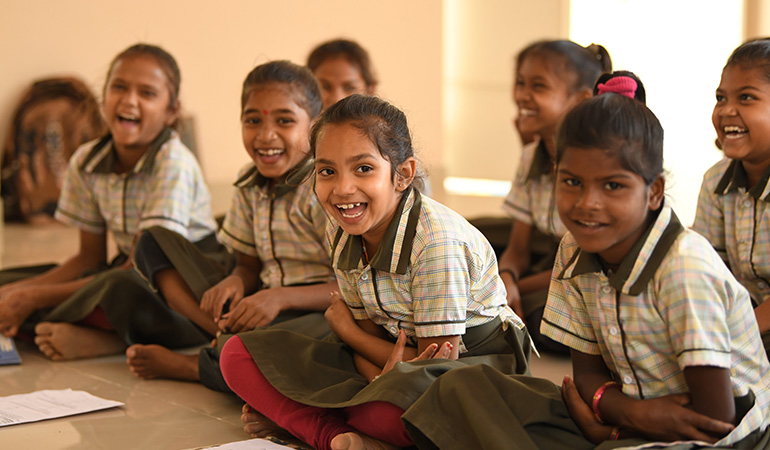
Empowering people through access to high-quality education, skilling, and livelihood opportunities.
Sustaining the planet through comprehensive climate and naturepositive actions.
Excellence in CSR Governance
The Company remained committed to its CSR vision and mission by undertaking impactful initiatives through a structured and compliant approach. To ensure our programs create enduring value, several key initiatives were executed during FY 2025-26.
- Formulation of a comprehensive CSR Project Framework.
- Conducting capacity-building workshops for the CSR Management Team, Implementing Agencies.
- Designing tracking mechanisms through project and financial dashboards.
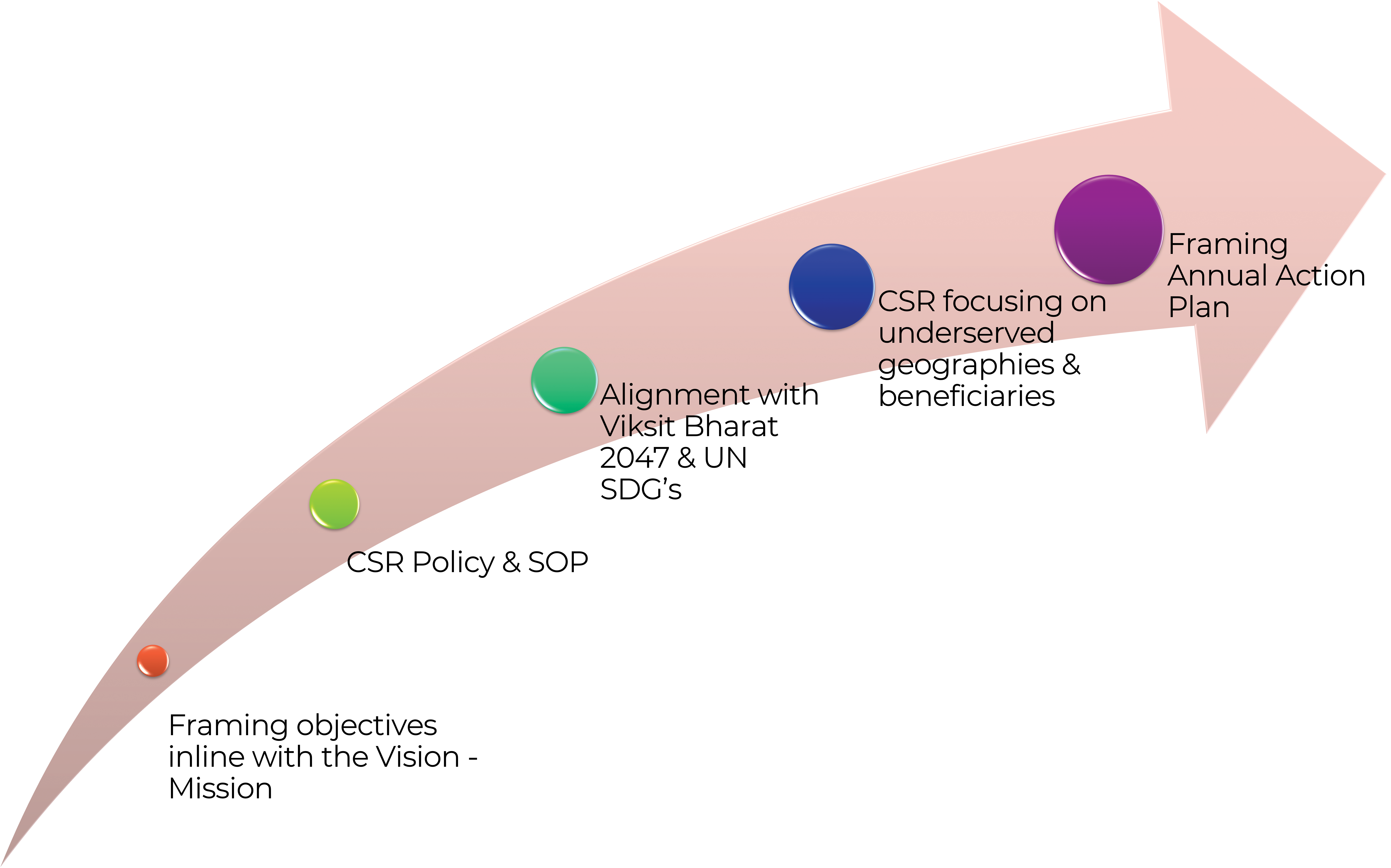
- Structured mechanism for identification of CSR projects and formulation of the CSR Annual Action Plan (AAP)
- Preparation of designing and sustainability plans for CSR projects.
- Conducting a SWOT (Strengths, Weaknesses, Opportunities, and Threats) analysis of the implementing agency to assess and enhance its operational effectiveness
- Undertook DIME (Design, Implementation, Monitoring, and Evaluation) Rubric assessment for FY 2025–26.
- Development of Key Performance Indicators (KPI) for the CSR Management Committee to facilitate annual performance evaluation
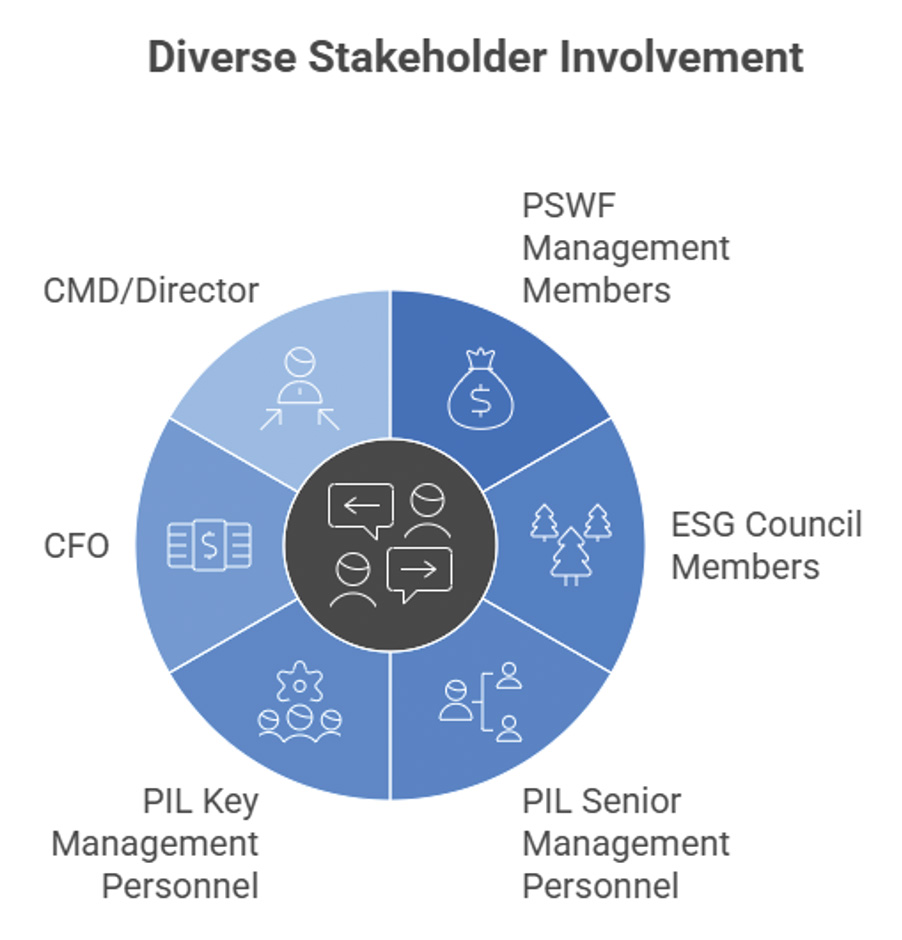
Revamping of CSR Vision Mission
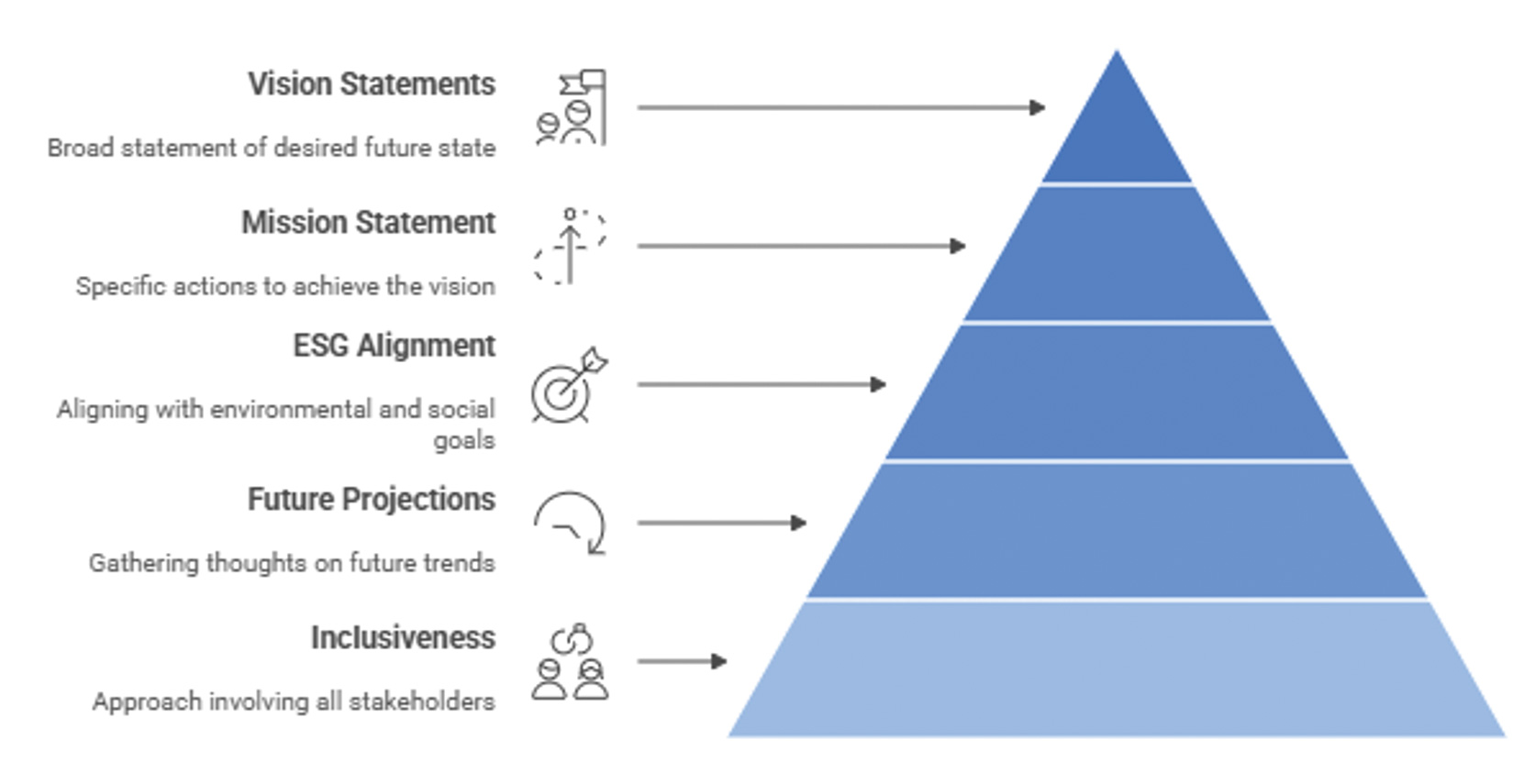
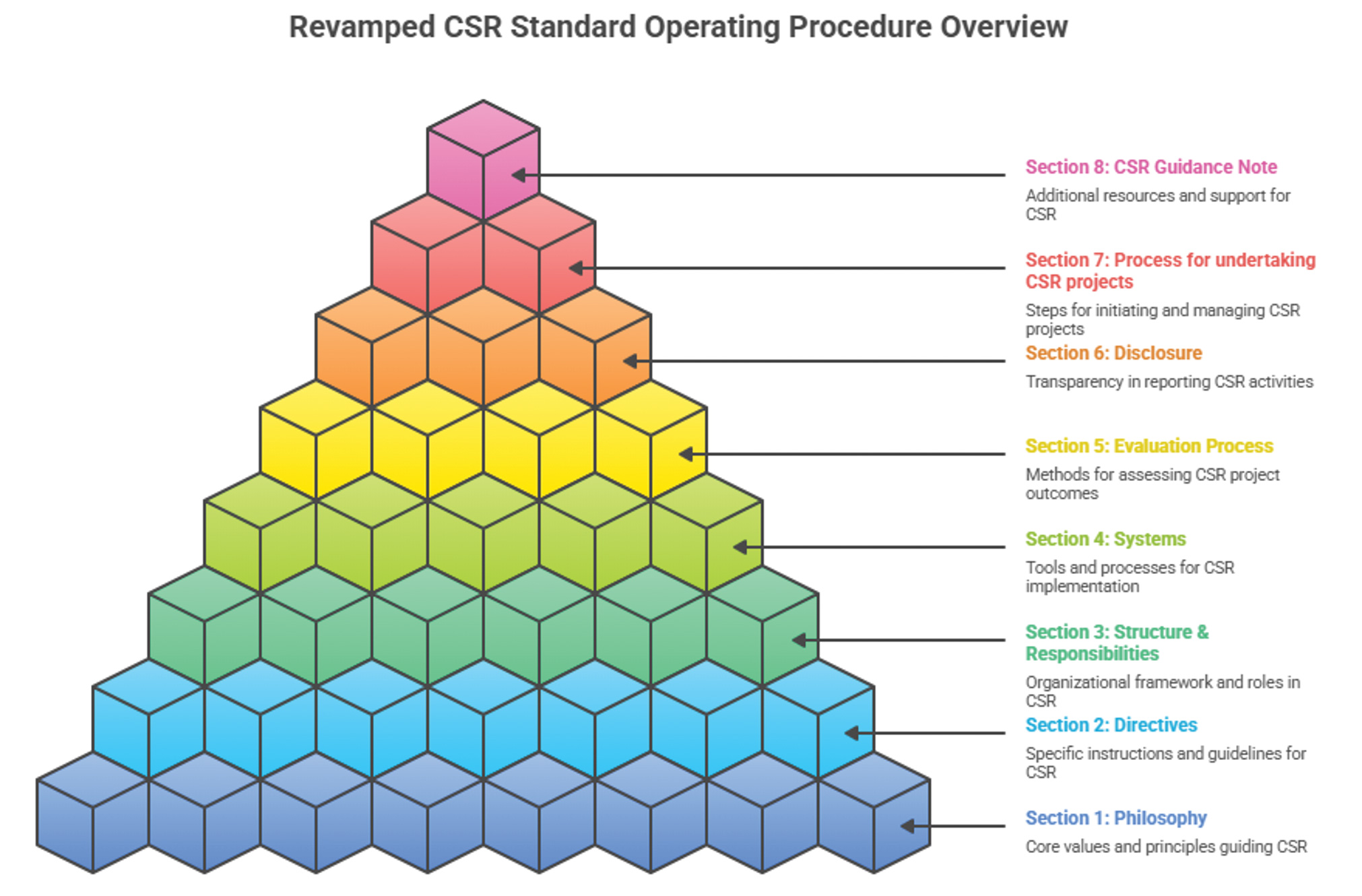
Revamping of CSR SOP
Creation of CSR 5 years Strategy
Way forward - The Company will continue to focus on a limited portfolio of high-impact CSR initiatives, while scaling proven sustainable models to enhance long-term value creation. It will enhance governance through robust documentation, SROI assessments, and adherence to the revamped CSR framework and KPIs.
Communities Targets & Progress
Community Development
Lives to be positively impacted through social responsibility initiatives
Lives positively impacted through social responsibility initiatives
On track
Community Engagement
We create meaningful community impact by building strong partnerships and tailor our programmes to local needs. Our efforts empower women, youth and underserved population. Using our resources and expertise to deliver scalable and sustainable solution we aim to drive inclusive and longterm growth through these initiatives.
Healthcare
Our 'Swasthyam-Arogyam Sanraksha' philosophy drives our healthcare priorities across
rural and underserved regions. Through Mobile Medical Units and targeted health camps,
we deliver essential primary care—including early breast tumour detection—directly to local
communities. Additionally, we support vulnerable patients battling chronic diseases through
focused medical assistance and enhance the critical infrastructure of partner hospitals via
strategic equipment donations. 
| Metric | FY 2025-26 | FY 2024-25 |
|---|---|---|
| Villages covered | 48 | 41 |
| Talukas covered | 4 | 3 |
| Total beneficiaries | 53,444 | 60,927 |
| OPD consultations | 41,219 | 38,914 |
| Diagnostics provided | 9,735 | 435 |
| Camp Type | No. of Camps | Beneficiaries | Key Outcomes |
|---|---|---|---|
| Malnutrition camps | 56 | 4,421 | Camps conducted to support and improve child and maternal nutrition |
| Breast cancer screening | 163 | 4,361 | Camps conducted for breast cancer screening, early detection, and awareness of Breast Tumour |
| Cervical screening | 3 | 23 | Camps conducted for cervical cancer screening and awareness |
| TB/nutrition support | - | 574 | TB patients identified and supported with nutritional (protein) supplementation |
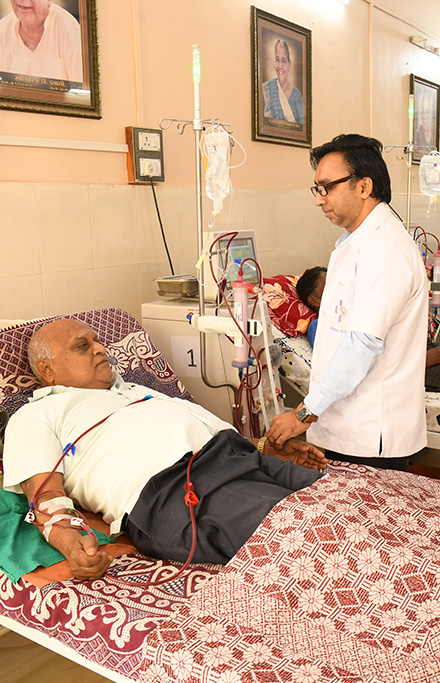
| Dialysis | - | 148 | Free Dialysis provided for needy patients who can ill afford treatment for longevity. |
| Cochlear Implant | - | 66 | Cochlear Implant for child born deaf & mute. A lifelong correction for a normal life |
| ANC – 3D/ 4 D Scanning | - | 58 | Diagnosing the status of Malnutrition amongst Pregnant Women |
| Hospital | Equipment Donated | Quantity | Expected Impact |
|---|---|---|---|
| Charitable hospitals | Dialysis Machine | 11 | 136 |
| Cancer hospital | Robotic Machine for Cancer Treatment | 01 | 64 |
| Parameter | Value |
|---|---|
| Villages adopted | 48 |
| Households reached | 12,957 |
| Ration kits distributed | 1,752 |
| TB/nutrition patients supported | 574 |
| Health awareness sessions | 38 |
Education and Skill Development
We believe quality education and skill development are fundamental to driving long-term
socio-economic empowerment across our communities. We transform local government
schools into modern, safe learning environments through infrastructure upgrades, essential
educational supplies, smart classrooms, and dedicated STEM labs. To foster self-reliance
and local entrepreneurship, we offer targeted vocational courses and certified electrician
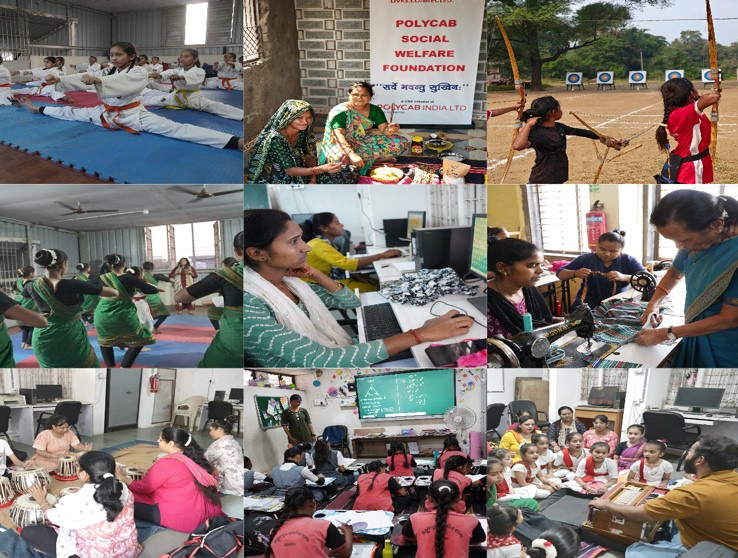
training programmes, such as 'Utkarsh'. Furthermore, we nurture latent talent and build selfconfidence in our youth through sports coaching, martial arts, archery, and cultural education
in disciplines like Bharatanatyam, Tabla, and Hindustani Classical vocal training.
| Intervention | No. of Schools | Beneficiaries |
|---|---|---|
| Classrooms constructed | 16 | 1,039 |
| Sanitation blocks | 06 | 472 |
| Water systems | 05 | 884 |
| Solar electrification | 243 | 441 |
| Smart classrooms installed | 29 | 1,723 |
| Support Type | No. of Students | Region |
|---|---|---|
| School kits | 970 | Maharashtra |
| Hygiene kits | 3,058 | Maharashtra |
| Laptops/TVs | 496 | Gujarat |
| Library Setup in ITI, Pavagadh | 496 | Gujarat |
| Course Type | Location | Trainees |
|---|---|---|
| Sewing | 04 | 252 |
| Beautician | 02 | 40 |
| Computer courses (CCC, DCA) | 01 | 84 |
| Tuition Classes ( Science/ & Maths | 01 | 95 |
| Adult Education ( Women Literacy) | 04 | 40 |
| Trg for formation of SHG | 03 | 69 |
| Metric | Value |
|---|---|
| Electricians trained | 14,438 |
| States | 07 |
| Cities | 20 |
| Pass rate | 98.6 |
| Feedback score | 4/5 |
Rural Development and Livelihood
Our holistic approach to rural transformation reflects our deep commitment to community resilience and sustainable development. Through our integrated village adoption models—aligned with the Government of India's Aspirational Blocks Programme—we drive the comprehensive development of 'Aspirational Villages' by upgrading local infrastructure with solar electrification, water conservation projects, and smart classrooms. To enhance local food security and protect rural livelihoods, we promote eco-friendly agricultural practices, provide vermicomposting training, and deploy dedicated veterinary first responders to protect livestock health across remote areas. Furthermore, we empower individuals to achieve financial independence through targeted vocational courses and entrepreneurship programmes, supporting Self-Help Group (SHG) enterprises in manufacturing agarbatti and dhoop, paper dishes, and organic soaps and shampoos.
| Metric | Value |
|---|---|
| Farmers trained | 722 |
| Demonstration plots | 165 |
| Exposure visits conducted | 1 |
| Metric | Value |
|---|---|
| Villages covered | 15 |
| SHGs (Four) | 69 |
| Rural youth trained | 16,593 |
| Livestock supported | 5481 |
| Replication in new areas (Aspiration Village -1, Waste Mgt -3) | 04 |
Intervention Area
Education and Skill Development
Improvements Implemented
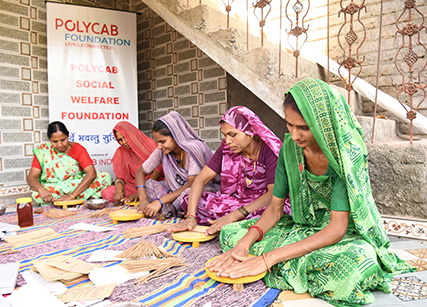
Enhancement in education and community development were undertaken through infrastructure upgrades and comprehensive skill development initiatives. These included computer training, sewing, music, dance, classical vocal, “Tabla”, tuition classes, and adult education programs. Livelihood opportunities were promoted through activities by forming SHGs for “Agarbatti making,” organic soap and Shampoo production, Paper Dish making, and Sanitary Pad manufacturing. Educational support was strengthened through improved school infrastructure, establishment of STEM Labs, and upgradation of Anganwadi facilities. Vocational skilling was further reinforced through ITI development under the Centre of Excellence. Collectively, these efforts have contributed to improved learning environment, enhanced skills, and strengthened livelihood opportunities across communities.
Intervention Area
Health
Improvements Implemented
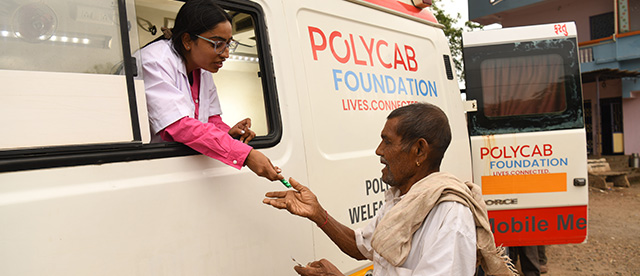
Mobile Medical Unit:
- Services extended across 48 villages, improving access to primary healthcare
Malnutrition Intervention:
- Child health check-ups and nutrition supplementation conducted across multiple villages; Regular screening and identification of malnourished children
- Provision of nutritional supplements, including protein support to TB, Malnutrition, Anaemia, Leprosy patients
Healthcare Strengthening:
- Installation of Sickle Cell Machine at Referral Hospital, Kalol, for early screening
- Provision of nutritional protein support across talukas , Deployment of TB diagnostic (Truenat) machine at PHC, Vejalpur
Preventive Healthcare:
- Conducted breast screening (iBreastExam) camps across districts
Healthcare Infrastructure:
- Establishment of CMTC Centre, Jambughoda, for critical malnourished children
- Accommodation facility developed for doctors and staff Installation of dialysis machine to enhance critical care services
Intervention Area
Natural Farming
Improvements Implemented
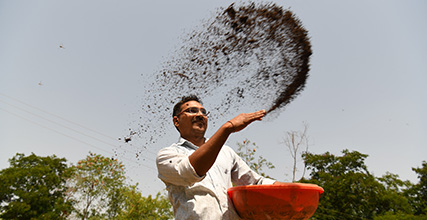
Natural farming promotes chemical-free agricultural practices by using locally available natural inputs such as bio-formulations, crop residues, and organic matter. It enhances soil health, biodiversity, and ecosystem balance while reducing input costs for farmers. By improving resilience to climate variability, natural farming supports sustainable agricultural productivity and long-term livelihood security in rural communities
Intervention Area
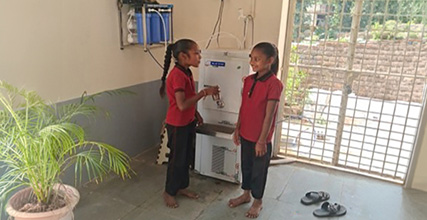
Water and sanitation
Improvements Implemented
- Upgradation of toilet facilities to ensure safe and hygienic sanitation
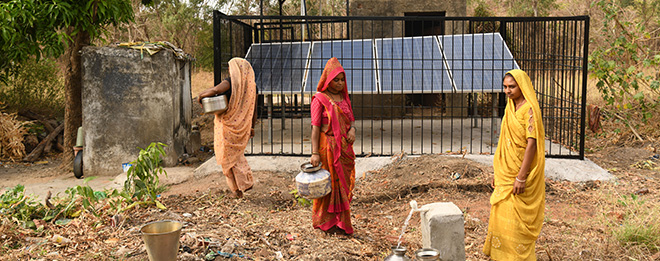
- Provision of safe drinking water facilities in community, institutions
- Promotion of hygiene and sanitation practices through community awareness
- Support to improve overall cleanliness and health conditions
Intervention Area
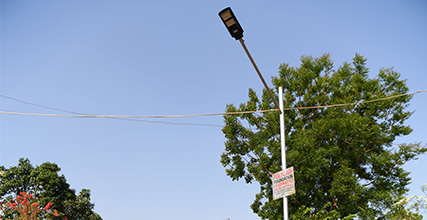
Renewable energy
Improvements Implemented
- Installation of solar street lights to improve safety and ensure reliable lighting in community areas
- Provision of solar-powered water pumps to ensure sustainable access to drinking water
- Promotion of clean and renewable energy solutions to reduce dependence on conventional power sources by installing Solar Panels in Schools
Environment and Climate Resilience
We believe proactive environmental stewardship is essential for building climate
resilience within our local communities. Through our comprehensive solid waste
management programmes, we transform daily refuse into valuable resources,
including compost and building materials. To ensure reliable, year-round water
access for rural agriculture, we undertake targeted check-dam renovations and new
construction. Furthermore, we actively restore local biodiversity through innovative
green coverage initiatives, utilising drone-assisted seedball planting and Miyawaki
forest techniques.
| Metric | Value |
|---|---|
| Households covered | 1,680 |
| Waste segregated (MT) | 31.186 |
| Recycling output | 50 Chairs |
| Compost produced (Kgs) | 34,740 |
| Activity | Units Completed | Area Restored |
|---|---|---|
| Trees planted | 13,174 | 22 Hectares |
| Miyawaki forest area | 18,000 | 0.6 Hectare |
| Seedballs dispersed | 500 Kg | 40 Hectare |
| Native species introduced | 55 | 62.6 Hectare |