

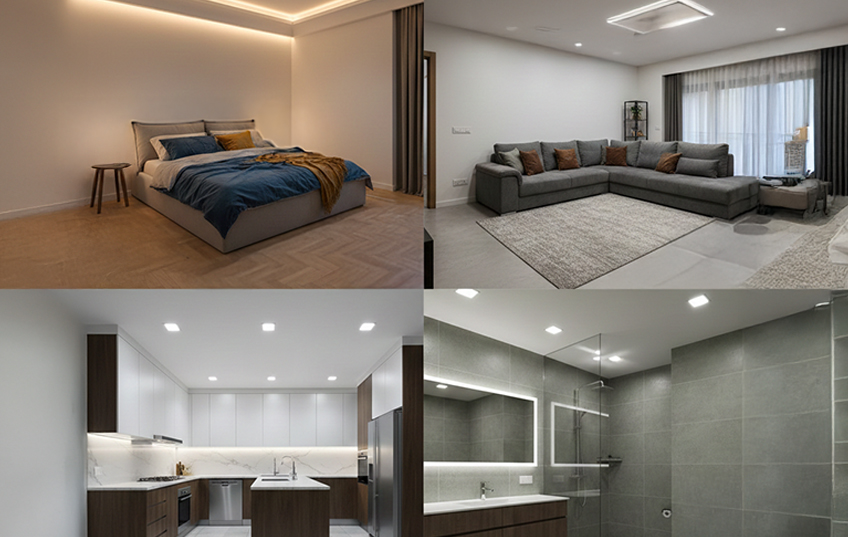
How to Calculate Light Wattage for a Room for Every Room
Lighting isn’t just about brightness; it’s about balance, energy efficiency, mood and design. Whether you’re decorating a cosy bedroom or illuminating a large living room, understanding how to calculate light wattage for a room helps you achieve the perfect lighting tone and intensity across your home.
Why Wattage Matters in Home Lighting
Wattage determines the power consumption of a light source and indirectly affects brightness. While lumens measure visible light, watts tell you how much power the bulb uses. Learning how many watts of light per square foot ensures that your lighting feels neither too harsh nor too dim.
For example:
● Living Rooms: 10-20 watts per square meter
● Bedrooms: 8-15 watts per square meter
● Kitchens and Study Areas: 20-30 watts per square meter
Picking the right wattage also minimises energy wastage, supports sustainability and aligns with Polycab’s energy-efficient lighting wattage guide.
Step-by-Step: How to Calculate Light Wattage for a Room
If you’re wondering how to calculate light wattage for a room, here’s a simple process homeowners and designers follow:
Measure the Room Area (in square feet or meters)
Multiply the room’s length by its width.
Example: 12 ft x 10 ft = 120 sq. ft.
Decide the Light Intensity Needed
Use a lighting calculation formula for rooms to determine required lumens:
TotalLumens=RoomArea(sq.ft.)×DesiredLumenspersq.ft.
Bedrooms need about 10–20 lumens per sq. ft., while kitchens may need 70+ lumens.
Convert Lumens to Wattage
Apply the Room lighting lumens vs watts relationship using an LED conversion chart. For example, a 10W LED produces roughly 900 lumens.
Calculate Total Required Wattage
Divide total lumens by the lumens per watt output of your chosen bulb to know how many bulbs or watts you need in total.
That’s the foundation of how to calculate light wattage for a room, but each type of space needs individual customisation.
Lighting Guide for Every Room
1. Bedroom
The bedroom should feel calm and relaxing. The recommended wattage for the bedroom, living room, and kitchen guides suggest using 10–15 watts per square meter. Use warm white lighting and a mix of ambient and bedside lamps for layered illumination. To pick the right brightness, refer to a Room lighting wattage calculator and select Polycab’s LED bulbs between 9W–15W, depending on room size.
2. Living Room
Living rooms require adaptable lighting, bright for gatherings, soft for movie nights. A general rule for how to calculate light wattage for a room is around 15–20 watts per square meter, combined with accent lights for décor highlights. Polycab’s LED panel lights offer excellent LED wattage for room size balance with superior energy efficiency.
3. Kitchen
For functional areas like the kitchen, high brightness is vital. The lighting calculation for home interior design suggests around 25–30 watts per square meter, especially over counters and cooking stations. Choose cool white LEDs to enhance visibility and freshness.
4. Dining Room
Dining spaces benefit from soft yet focused lighting. Use about 15–18 watts per square meter and layer pendant lights above the table. Mixing ambient and decorative lighting enhances the dining experience.
5. Bathroom
Bathrooms need bright, shadow-free lighting. Around 20 watts per square meter works best. Use waterproof LED panels or ceiling lights for safety and reliability. Polycab’s moisture-proof models can handle this environment seamlessly.
6. Study or Office
Task lighting is essential in work areas. Around 25–35 watts per square meter delivers the clarity needed for reading and digital work. Refer to how to choose the right wattage for room lighting to avoid glare and eye strain.
Using a Room Lighting Wattage Calculator
A Room lighting wattage calculator simplifies the process of determining lighting needs. By entering room size, function and preferred brightness level, you instantly discover how many bulbs or how much total wattage is ideal.
For instance:
● A 200 sq. ft. living room at 20 lumens/sq. Ft. ft. requires 4,000 lumens total.
● Using 10W LEDs (900 lumens each), you’d need about 5 bulbs.
That quick tool reflects how to calculate light wattage for a room scientifically while ensuring energy efficiency and cost-effectiveness.
Lumens vs. Watts: Understanding the Difference
Many confuse lumens with watts, but they’re distinct. Lumens measure brightness, while watts measure energy consumption. Modern LED lighting focuses on lumens output rather than higher wattage.
By comparing Room lighting lumens vs watts, you’ll notice LEDs use up to 80% less power than incandescent bulbs for the same illumination. For example:
● 800 lumens = 60W incandescent = 9-10W LED
● Such comparisons guide you when deciding how to choose the right wattage for room lighting effectively.
Lighting Calculation Formula for Rooms
Here’s the formula often followed by designers and engineers for lighting calculation for home interior design:
Required Watts (Room Area in sq ft.) x (Lumens per sq ft.)Lumens per Watt of BulbRequired Watts=Lumens per Watt of Bulb(Room Area in sq.ft.)×(Lumens per sq.ft)
This lighting calculation formula for rooms helps you tailor output based on space function, colour palette and fixture type. Always check the light requirement per square meter for the home before selecting LEDs, as darker walls or higher ceilings may need additional brightness.
Choosing Energy-Efficient Lighting
Energy-conscious homeowners prefer LEDs because they provide high lumens at low wattage. Polycab’s energy-efficient lighting wattage guide helps customers pick the right bulbs for performance and savings.
For example:
● Small bedroom: 10–12W warm LED
● Large living room: 15–20W LED panel
● Kitchen: 20–25W task lights
These selections simplify how to calculate light wattage for a room while maintaining low electricity bills.
Recommended Polycab Lighting Products
When upgrading your lighting system, explore Polycab’s range of LED lighting products for every space. Visit Polycab LED Lights for:
● LED Battens: Ideal for study and kitchens.
● LED Bulbs: Reliable everyday lighting with variable brightness.
● LED Panel Lights: Perfect for modern living rooms and bedrooms.
● LED Spot Lights: Highlight décor or architectural details.
These options cater to all wattage needs and ensure lighting efficiency across your home. By following this guide on how to calculate light wattage for a room, homeowners can design balanced, efficient and visually stunning spaces, beautifully illuminated with Polycab’s innovation-led lighting solutions.
Frequently Asked Questions
1. How many watts of light per square foot are ideal for a living room?
Typically, 1.5–2 watts per square foot is sufficient for living rooms, depending on ambience preference and lighting layers.
2. What is the best LED wattage for a room size of around 150 sq. ft.?
A 150 sq. ft. room generally requires around 1,500–3,000 lumens, equivalent to 15–20W LED bulbs.
3. How can I ensure energy efficiency while calculating wattage?
Use LEDs from Polycab’s energy-efficient lighting wattage guide, which delivers high brightness with low power consumption.
4. What’s the difference between lumen and watt in room lighting?
Lumens indicate brightness; watts indicate power usage. Always check lumens to ensure adequate illumination.
5. Can I use the same formula for all rooms?
Yes, the lighting calculation formula for rooms remains consistent. The only difference is adjusting lumens per square foot based on the room’s function.


