

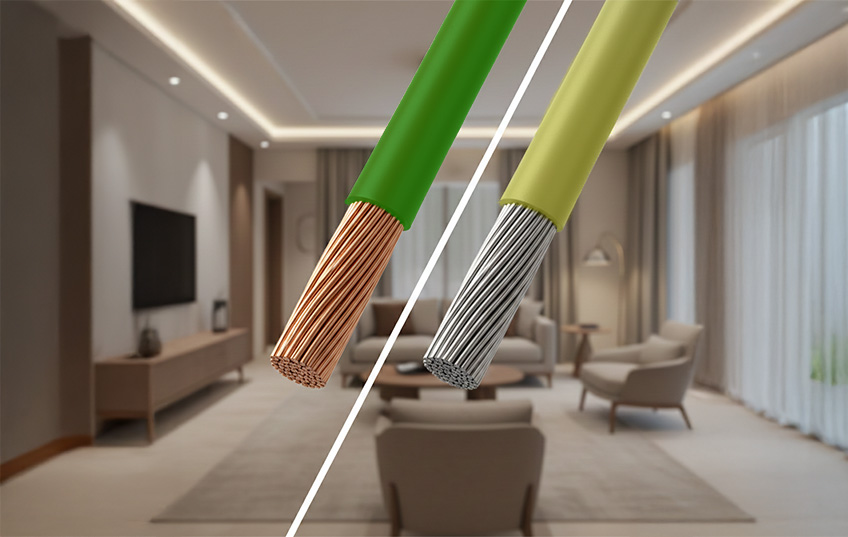
Difference Between Copper vs Aluminium Wiring: What Works Best in Indian Homes?
Visit an electrical shop across any Indian city and you will often get confused between copper vs aluminium wire. An electrical wire is a crucial element that ensures a constant supply of electricity to keep the appliances in your home running effectively. With so many opinions flying around, you often end up stuck in the choice of copper vs aluminium wire. Both wires serve the same purpose but work quite differently in different home electrical wiring systems.
Let's walk through the essential details of the best wiring for Indian homes and why Polycab copper and aluminium wires create a safe electrical foundation that serves your family for generations.
What is an Aluminium Wire?
Aluminium wire is a traditional wiring material made from aluminium metal and used in creating electrical layouts for residential homes and commercial spaces, particularly for aerial applications. It is known for less corrosion resistance and requires extra connectors for a safe and reliable performance.
Copper vs Aluminium electrical wires- Key Differences
Although both metals are known for transmitting electricity, there are other fine details involved in the working of copper vs aluminium electrical wires.
1. Electrical Conductivity
Copper wires, especially from Polycab, are thin and relatively better at conducting electricity, especially in space-restricted areas. These wires facilitate low energy consumption, thus making them a reliable choice for homeowners to opt for copper wiring in their electrical system.
Aluminium wires have high resistance and require thick wiring to transmit the same current. Moreover, aluminium expands a lot when it heats up and shrinks when it cools down. Over time, this can loosen connections. Loose connections create heat, and that creates fire risks and cannot be used to run heavy appliances.
2. Heat Handling Capacity
Copper doesn't expand or contract much when temperatures change in the surroundings. If you live in a hot region or humid area, copper wires don't loosen or get rusty, thus staying reliable and stable for a longer duration. Moreover, Polycab Primma, a house wire from Polycab, consists of lead-free PVC insulation and high abrasion resistance.
Since aluminium is softer than copper, it gets damaged more easily. For instance, a small over-tightened screw can weaken the connection and potentially cause problems. Also, when aluminium is exposed to air, it forms an oxide layer that doesn't conduct electricity well. This resistance to electrical conduction creates heat and potentially creates an unsafe home environment.
3. Maintenance Cost Overtime
Copper wiring needs minimal to zero maintenance for a long time because of its capability to withstand mechanical stress. Due to the high melting point of copper wiring, the wiring remains intact with the least chance of experiencing faults or breakdowns.
Aluminium connections need checking and tightening once every few months or at least once a year. Although copper wires may cost more initially, they actually save you a lot in maintenance costs in the long term.
4. Strength and Durability
Copper wiring is known for their stronger strength and does not break during installation while holding its shape better over the years. It matters a lot when you want to upgrade your home in future.
Although an alternative to copper wires, aluminium wires carry a higher risk of causing damage compared to copper wiring. It needs additional connectors and can easily break during the installation process due to its soft material nature.
5. Cost Comparison of Copper and Aluminium Wires
Although aluminium wire costs less than copper wire for home wiring initially, aluminium wires cost more in the long term. Since aluminium has higher resistance to electrical conductivity, it requires more energy to transmit electricity. This means more electricity bills in the long term, especially if you use HVAC systems such as geysers, air conditioners, induction, etc.
Copper wires are efficient in transmitting electricity, resulting in lower electricity bills over time and lower maintenance costs.
You may also like to read: Different Types of Wires to Meet All Household Needs
Best Wiring for Indian Homes: What Should You Choose?
Every home has its unique electrical needs. However, for most home electrical applications, copper remains a highly preferred choice due to its longer durability and quick efficiency. If you are upgrading your home’s wiring system, opt for copper wires since they are highly suitable for HVAC systems and can make a significant difference in enhancing your home’s safety.
Use copper wires for important circuits such as those in kitchens, bathrooms, AC and refrigeration lines. You can also install copper wiring in your home gradually, starting with high-use circuits and then upgrading other spaces. It is always safe and best to get your home wiring inspected by a professional electrician to verify the condition of the existing wiring system before you upgrade it.
Polycab Copper and Aluminium Wires: Quality That Matters
Polycab house wires are available in various options such as Polycab Green Wires, Polycab Suprema & Polycab Optima+ House Wires. Polycab, being the nation’s most trusted name in wires and cables, makes products specifically designed to suit the Indian home environment and weather conditions. Some of their qualities that make them stand out include:
- Wires made from 99.97% high-purity copper
- Flame Retardant
- Lead-free PVC insulation
- Moisture and Rodent Protection
- Offers eco-friendly choices without compromising on performance
The choice between copper vs aluminium wire is pretty obvious. Copper wires are highly preferred since they provide better safety, last longer, and require less maintenance over time. Aluminium wires require careful installation but can prove to be a cost-effective alternative to copper wires. For Indian homes, where power demands are versatile and safety is paramount, copper wires provide the much-needed peace of mind to the residents.
When choosing the right wire for home wiring, always choose trusted brands like Polycab that make quality copper wires specifically for Indian conditions. In home construction, few choices have such a lasting impact as your electrical wiring.
Frequently Asked Questions:
1. Which wiring is considered best for a house in India?
High-quality, multi-stranded copper wires from reputed brands are considered best for house wiring in India. The superior electrical conductivity and higher durability make these wires a reliable choice for home use.
2. What are the advantages of copper wire?
Copper wires are known to withstand difficult environmental conditions, including higher temperatures and moisture, and don't degrade quickly.
3. Why is aluminium wiring no longer used in Indian households?
Aluminium wires expand and contract with temperature changes and can degrade the wiring connection between the device and the wires.
4. Is aluminium wire safe to use?
Aluminium wires are often considered safe for electrical wiring, provided the connections are made using safe connectors to prevent overheating.
5. What is the biggest difference between copper and aluminium wire?
Copper is a superior electrical conductor and is often expensive. Aluminium is relatively less conducive and cheaper as well.


